July 22, 2026
Gutters play an important role in protecting a home from water damage. They collect rainwater from the roof and direct it away from siding, windows, landscaping, and the foundation. When the system works properly, most homeowners barely notice it. However, damaged or aging gutters can allow water to spill over the edges, collect near the house, or seep into areas that should remain dry. These problems may begin small, but they can lead to expensive repairs if they are ignored for too long.
Knowing when to schedule gutter replacements can help homeowners protect their property before serious damage develops. Some warning signs are easy to see, such as cracks or sagging sections, while others may appear as stains, erosion, or moisture inside the home. Regular inspections make it easier to catch these concerns early. By understanding what to look for, homeowners can decide when repairs are enough and when replacing the entire system is the more practical long-term solution.
Noticing Cracks and Visible Damage
Cracks are one of the most obvious signs that a gutter system is beginning to fail. Small cracks may not look serious during dry weather, but they can allow water to escape whenever it rains. Over time, repeated leaking can damage fascia boards, siding, and exterior paint. Cracks may also grow as temperatures change, especially in areas where freezing and thawing place added stress on the material.
Visible holes, split seams, and broken sections should also be taken seriously. A single damaged area may sometimes be repaired, but widespread cracking often means the gutters have reached the end of their useful life. When damage appears in several locations, gutter replacements may provide better protection than repeated patching. A new system can restore reliable water flow and reduce the risk of leaks returning after each storm.
Finding Rust and Peeling Paint
Rust is a common warning sign on older metal gutters. It often begins around joints, fasteners, and areas where water sits instead of draining properly. Once corrosion starts, the metal can weaken and eventually develop holes. Rust stains running down the side of a home may also indicate that water is escaping from the system and carrying deteriorated material with it.
Peeling paint around the gutters or on nearby fascia boards can point to ongoing moisture exposure. Exterior paint is designed to resist normal weather, so repeated bubbling, flaking, or discoloration may mean water is reaching surfaces it should not. If rust and paint damage continue to spread despite repairs, replacing the system may be the most dependable way to stop the moisture problem and protect the surrounding wood.
Seeing Sagging and Separation
Gutters should remain securely attached to the roofline with a slight slope that directs water toward the downspouts. When sections begin to sag, pull away, or hang unevenly, they may no longer drain correctly. Sagging can result from loose fasteners, heavy debris, standing water, or weakened fascia boards. It can also place extra strain on nearby sections and cause the damage to spread.
A gutter that has separated from the house may allow water to run directly behind it. This can soak the fascia, damage roof edges, and create hidden moisture problems. While a small loose section may be reattached, widespread separation often signals that the system is no longer structurally reliable. Gutter replacements can provide stronger support and proper alignment, helping rainwater move away from the home as intended.
Watching Water Overflow During Rain
Overflowing gutters are often blamed on clogs, but blockages are not the only possible cause. Gutters may overflow because they are too narrow, improperly sloped, damaged, or unable to handle the amount of water coming from the roof. If cleaning the system does not solve the issue, the gutters may not be functioning correctly. Water pouring over the sides can damage landscaping, stain siding, and collect near the foundation.
Homeowners should observe the system during steady rainfall whenever it is safe to do so. Water should move smoothly toward the downspouts without spilling over or pooling in low spots. If overflow occurs in multiple areas, the system may need more than routine maintenance. Replacing undersized or poorly positioned gutters can improve drainage and help the home manage heavy rain more effectively.
Discovering Foundation and Landscaping Damage
The condition of the ground around a home can reveal problems that are not always visible at the roofline. Pools of water near the foundation, washed-out mulch, soil erosion, and deep channels beneath the gutters may indicate that rainwater is not being directed properly. Repeated saturation can damage plants, weaken walkways, and increase the chance of water entering basements or crawl spaces.
Foundation concerns may become especially serious when water collects in the same place after every storm. Cracks, damp walls, musty odors, or moisture near the base of the house should be investigated promptly. If the existing system cannot carry water far enough away, gutter replacements may help correct the drainage pattern. Properly sized gutters and well-placed downspouts can reduce erosion and support better protection around the entire property.
Spotting Stains and Interior Moisture
Water stains on siding, soffits, or exterior walls may show that gutters are leaking or overflowing. Dark streaks, mildew, and discoloration often appear below damaged seams or low spots where water escapes repeatedly. These marks can affect curb appeal, but they may also indicate deeper moisture problems behind the visible surface. Ignoring them can allow damage to spread into wood, insulation, or wall materials.
Interior signs may include damp ceilings, peeling paint, mold growth, or moisture near upper walls. These symptoms can have several causes, but failing gutters should be considered when the damage appears near the roofline. Water that moves behind the gutter system can enter small gaps and travel into the home. When these issues continue or become widespread, gutter replacements may be the best solution to prevent more extensive repairs and help preserve healthy indoor conditions.
Managing Frequent Repairs and Frequent Maintenance
A gutter system that constantly needs resealing, reattaching, or patching may no longer be worth repairing. Occasional maintenance is normal, but repeated service calls can become costly and inconvenient. Older systems may have several weak areas that fail one after another, especially when the material has become brittle, corroded, or distorted. In these cases, continued repairs may only delay the need for full replacement.
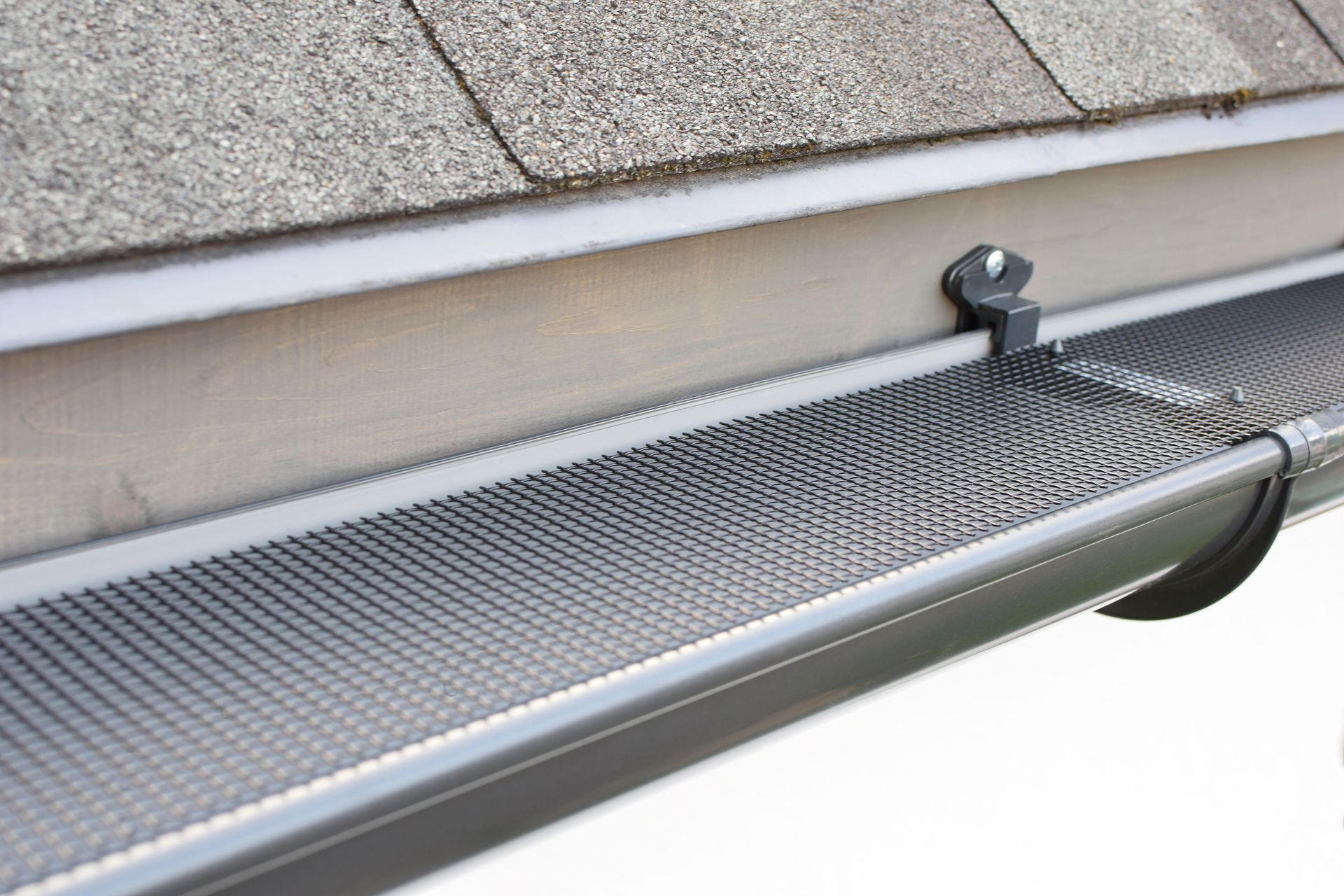
Maintenance demands should also be considered when evaluating system performance. According to This Old House, a 2025 survey revealed that around 42% of respondents saved at least four to eight hours a year in maintenance time after installing gutter guards. New gutter replacements can often be paired with guards or other features that reduce debris buildup. This can make routine care easier while supporting more consistent drainage throughout the year.
Recognizing an Outdated Gutter System
Even gutters without obvious damage may need replacement because of age. Materials wear down after years of exposure to rain, sunlight, wind, ice, and temperature changes. Older systems may also lack the capacity or design features found in newer products. If the gutters have been in place for decades, homeowners should have them evaluated even if they still appear functional from the ground.
An outdated system may also affect the appearance of the home. Faded finishes, mismatched sections, visible seams, and worn hardware can make the exterior look neglected. Modern gutters are available in different materials, sizes, and styles that can improve both performance and curb appeal. Upgrading allows homeowners to choose a system that fits the roof, complements the property, and provides dependable protection for years to come.
Gutters should move rainwater away from the home without leaking, sagging, overflowing, or creating damage around the foundation. Cracks, rust, peeling paint, separation, stains, erosion, interior moisture, repeated repairs, and an outdated design can all indicate that the system is no longer doing its job. Scheduling gutter replacements before a complete failure can help protect siding, landscaping, roofing materials, and the foundation while improving the appearance of the property. For professional guidance and dependable service, contact All City Gutters.