January 26, 2026
Replacing gutters is a critical task for maintaining the integrity of your home. However, homeowners and professionals alike can fall into common pitfalls that compromise performance and longevity. Before starting any project involving gutter replacements, it’s crucial to understand your home’s unique requirements. Different houses vary in roof design, surface area, and local climate conditions — all of which influence drainage effectiveness. Neglecting these factors can lead to improper water flow and long-term structural issues. Homes in storm-prone regions often demand larger or sturdier gutter systems to handle high rainfall. Additionally, choosing a design that aligns with your home’s architecture ensures both functionality and curb appeal.
The capacity of your gutter system is another vital planning element. Installing gutters with insufficient capacity can cause overflow during heavy rain, leading to fascia board rot, water pooling, or even foundation erosion. It’s important to calculate roof runoff to select gutters that can handle adequate water volume. According to HomeAdvisor, new gutters should be replaced about every 20 years to maintain performance and prevent costly water damage. This highlights the importance of choosing the correct size and capacity to ensure gutter replacements last their full expected lifespan.
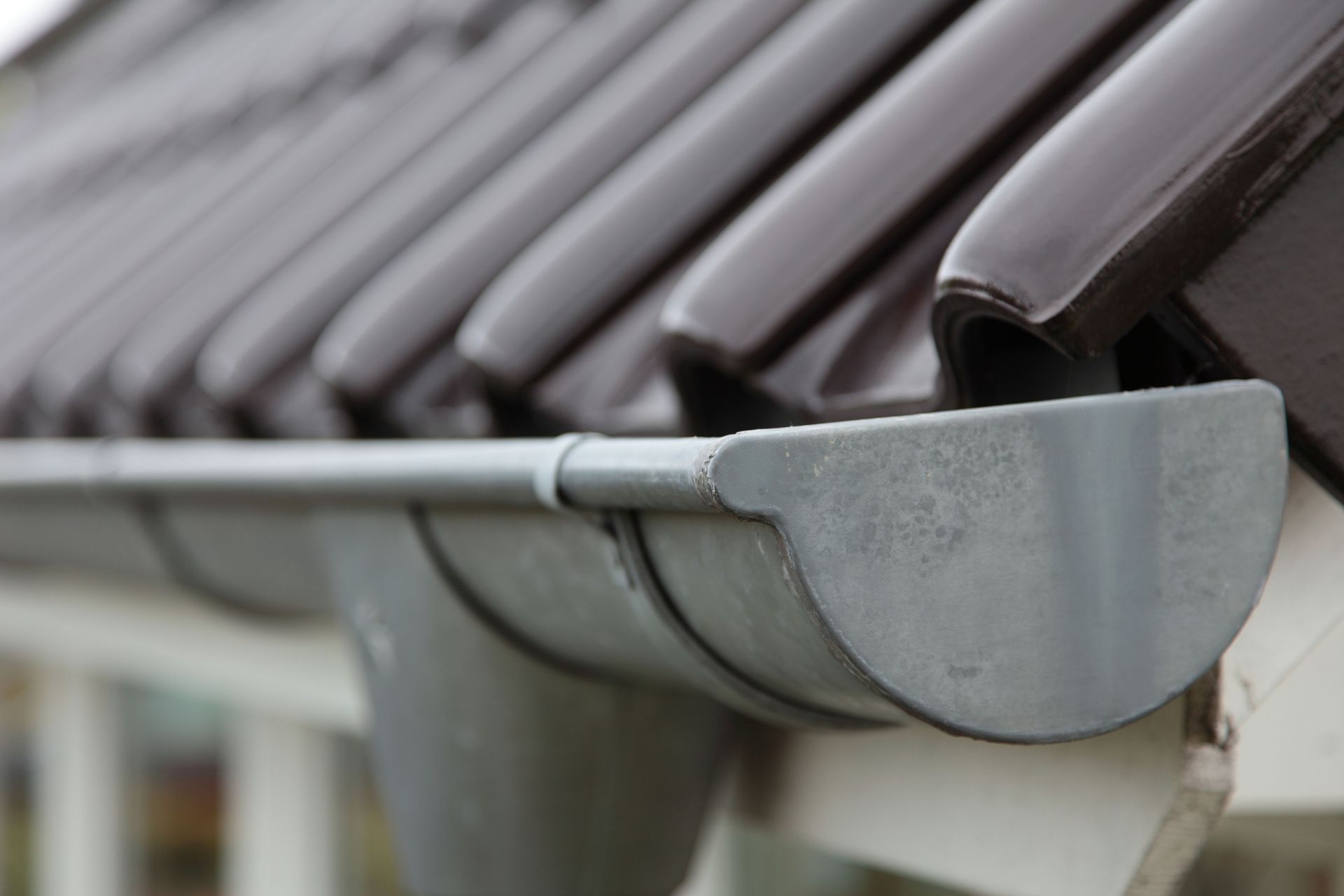
Selecting the right material also plays a decisive role in long-term success. Options like aluminum, copper, and steel each come with unique strengths. Aluminum’s lightweight nature and rust resistance make it a go-to choice, while copper offers unmatched longevity and aesthetic charm (though at a higher cost). A thoughtful choice — balancing durability, cost, and climate compatibility — ensures that your gutter replacements perform efficiently while complementing your home’s exterior.
1. Poor Installation Practices
Even with careful planning, improper installation remains one of the most frequent mistakes during gutter replacements. An incorrect slope is among the most damaging errors. Gutters require a gentle decline toward the downspouts — we commonly recommend about 1/16 inch per foot — to maintain efficient water drainage. Too shallow a slope leads to standing water, corrosion, or overflow, while too steep a slope can make water run too quickly and spill. Proper measurement and professional oversight are critical for avoiding these issues.
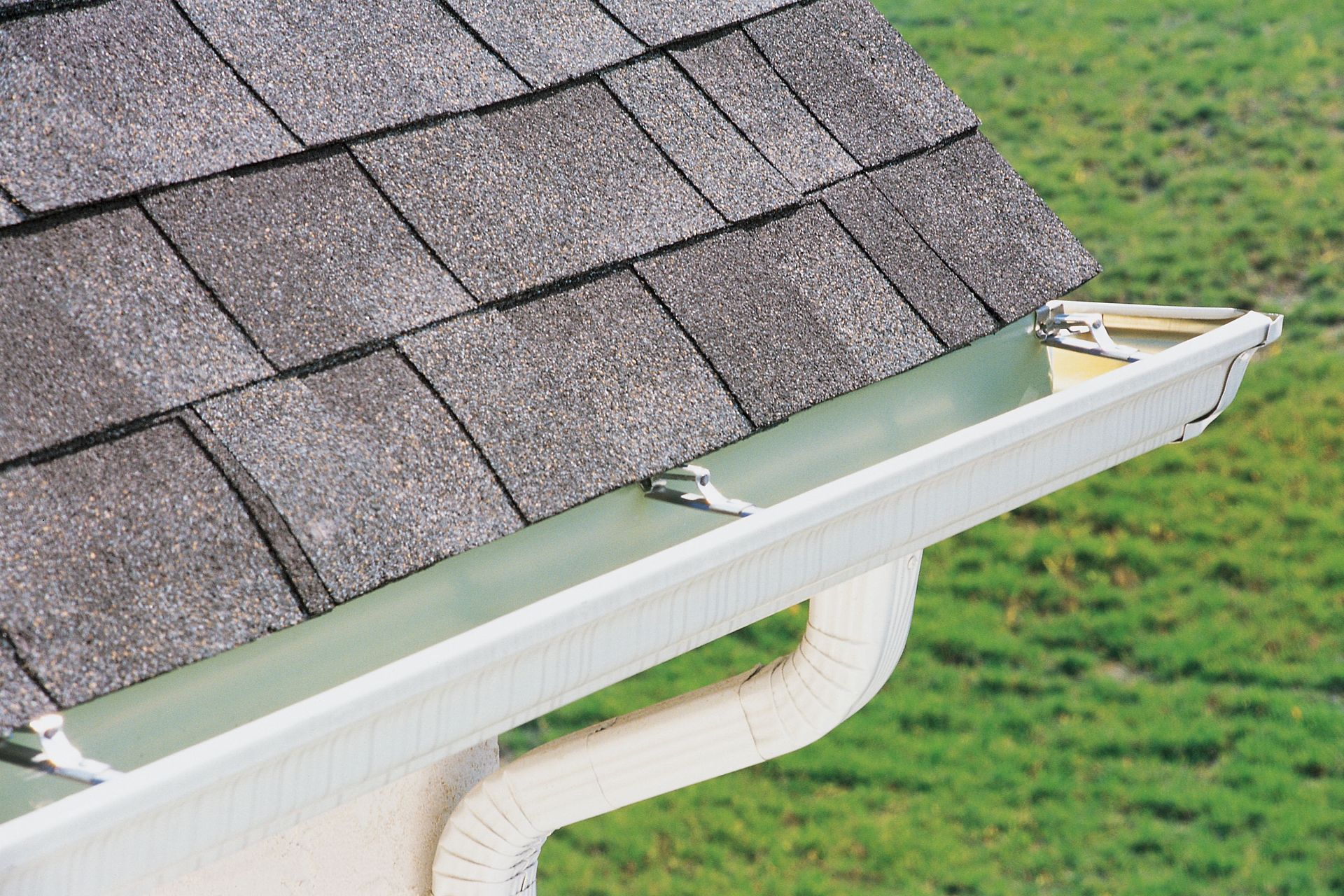
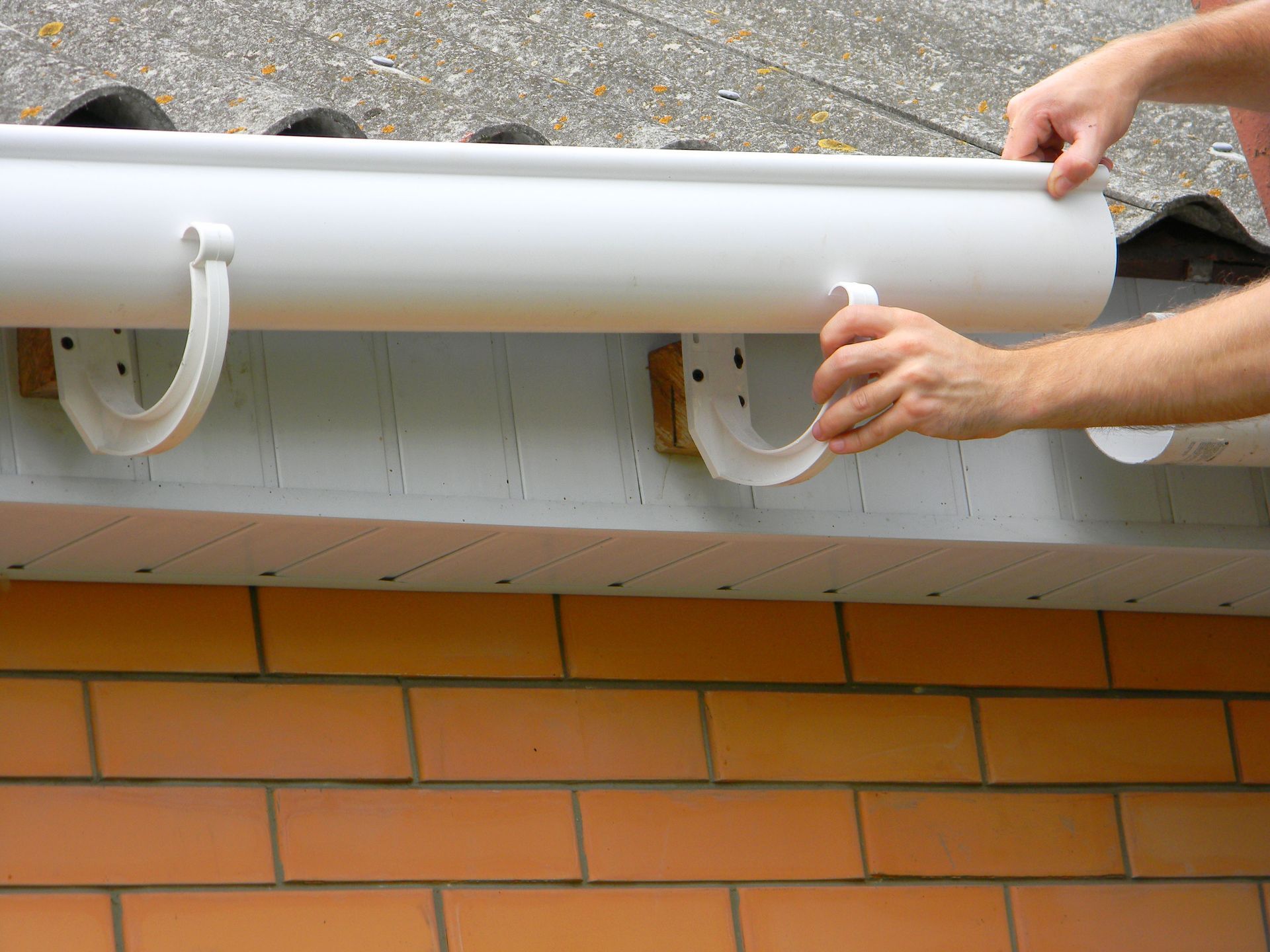
Another oversight is incorrect hanger spacing. Gutter hangers support the gutter, especially during heavy rain or snow, and if spaced too far apart, the gutter can sag or deform. We recommend placing hangers every 24 to 36 inches, depending on material and local load conditions; in more demanding environments, spacing may need to be tighter (e.g., 18–24 in). Professionals who follow proper spacing ensure gutters remain secure and durable over time.
Finally, failing to secure gutters properly to the fascia undermines the entire system. Using inadequate fasteners or neglecting proper anchoring may cause gutters to loosen over time, especially with wind or water loads. During installation, contractors should inspect for damaged fascia and reinforce fastening points where necessary so that the gutters stay firmly in place.
2. Incorrect Sizing Choices
Sizing mistakes are another common issue in gutter replacements. Gutters that are too small for your roof’s size or pitch can’t handle heavy rainfall, resulting in overflow that damages siding, landscaping, or the foundation. Assessing roof size, slope, and local weather patterns is critical to selecting the right gutter width.
Matching downspout size is equally important: if the downspouts are too narrow, they become bottlenecks, causing backups and overflow. Each downspout should be sized to work in harmony with your gutters so water can drain effectively without overwhelming the system.
Roof pitch matters a lot. Steeper roofs shed water more quickly, so they require gutters and downspouts that can manage that increased flow rate. Ignoring roof pitch often results in systems that look fine on paper but fail during heavy storms.
3. Neglecting to Include Gutter Guards
Many homeowners skip gutter guards, but that’s a mistake. Guards help block leaves, twigs, and other debris, reducing clogs and minimizing the need for frequent cleaning. Without them, gutters are more likely to overflow and corrode over time, especially in leafy areas.
Improperly installed or ill-fitting guards offer little benefit — gaps or poor placement can let debris in or restrict water flow. It’s important to have guards professionally fitted to ensure they perform as intended, protecting your gutter system and reducing long-term maintenance.
4. Overlooking Water Drainage Solutions
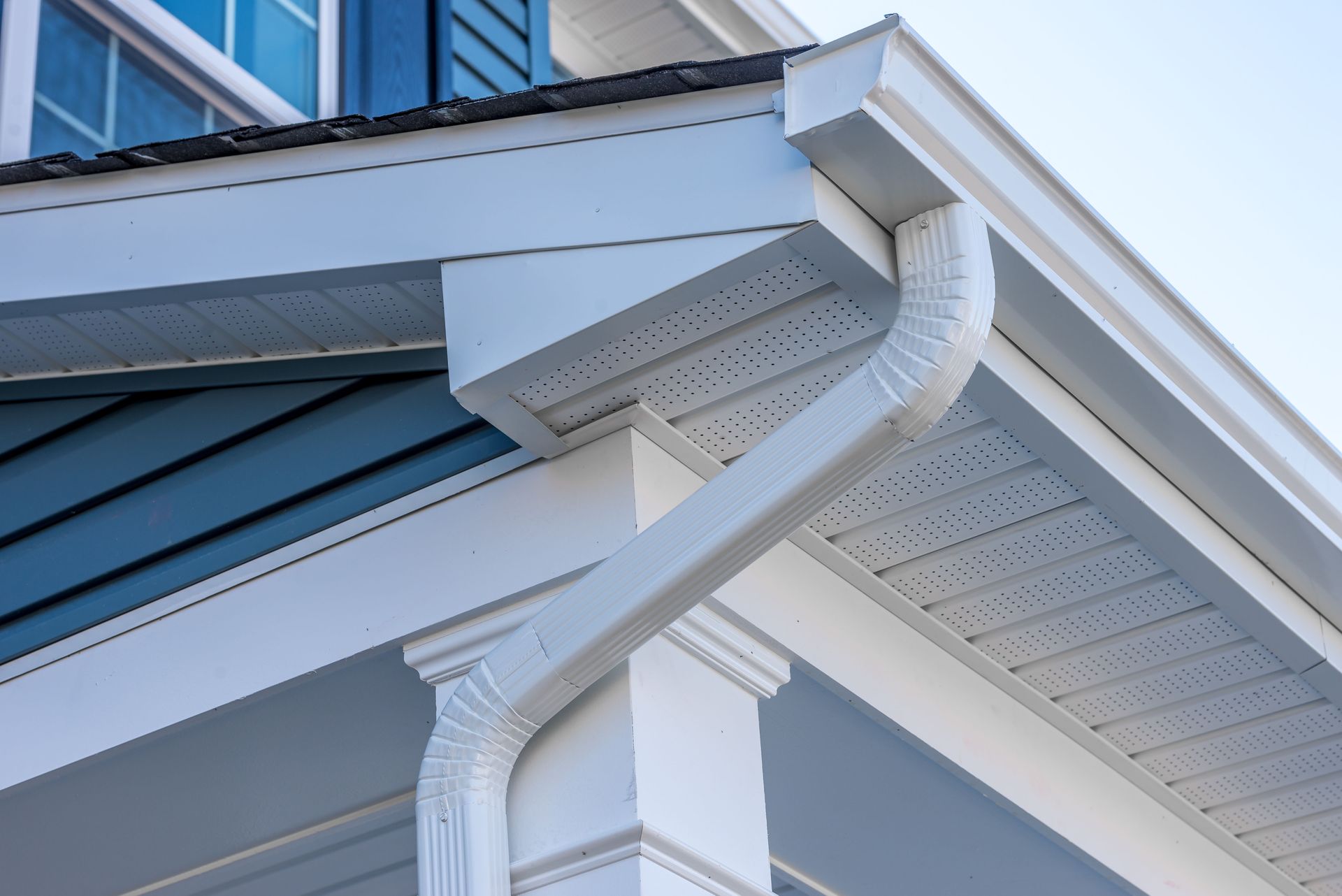
Even a well-installed gutter system fails if water isn’t properly directed away from the home. Downspouts need to be placed and extended correctly to prevent water from pooling near the foundation. Experts recommend that downspouts discharge at least 5 feet from the foundation, and preferably 10 feet or more when possible.
Using downspout extensions or underground piping helps redirect runoff safely. These measures prevent soil erosion around the foundation and minimize the risk of water damage in basements or crawlspaces. Integrating these during the gutter replacement phase avoids costly retrofits later.
Some homeowners also opt for water collection systems, such as rain barrels. Planning for them during gutter replacement allows seamless integration, contributing to both efficient water management and sustainability.
5. Failing to Conduct Regular Maintenance
Even top-quality gutter installations won’t last without upkeep. Seasonal cleaning (especially in spring and fall) helps prevent clogs from leaves and debris. Without regular cleaning, water can back up and damage fascia, siding, or even the foundation.
Frequent inspections are also vital. After storms, check for sagging, leaking seams, or loose fasteners. Catching small issues early reduces the risk of major failures later.
Keeping gutters clear prevents strain on hangers and joints. This is particularly important in wooded areas where debris accumulates fast. A well-maintained system functions better and lasts longer.
6. Choosing the Wrong Contractor
Selecting the wrong contractor is a very common error. Inexperienced or unlicensed installers may cut corners — using cheap materials, ignoring slope or hanger spacing, or failing to anchor correctly. This can significantly impair the functionality and lifespan of your gutter system.
A reputable contractor will provide detailed estimates, explain material and design options, and back up their work with warranties. They’ll also follow local building codes and best practices. Hiring pros ensures your gutter replacement is durable and reliable for years — protecting your home and your investment.
7. Ignoring Local Climate and Building Codes
One often-overlooked mistake in gutter replacement is failing to account for local climate conditions and building code requirements. Snow accumulation and frequent freeze-thaw cycles place added stress on gutter systems. Installing gutters without considering these factors can lead to premature sagging, ice dams, or cracking. For example, colder regions like Connecticut may require heavier-gauge materials and reinforced hangers.
Equally important is compliance with local building codes, which may dictate gutter sizing, placement, discharge distance, or drainage methods. Ignoring these regulations can result in failed inspections, fines, or the need for costly reinstallation. Professional gutter contractors stay informed about regional code requirements and climate demands, ensuring your system is both compliant and built to withstand local conditions. By addressing these considerations upfront, homeowners can avoid unnecessary setbacks and ensure their gutter replacement performs reliably year after year.
Understanding and avoiding these seven mistakes can save homeowners significant time, money, and frustration. From slope and sizing to materials and professional installation, every decision affects how well your gutter system defends your home. With smart planning, regular maintenance, and quality workmanship, you can protect your home from water damage for many years.
For expert guidance, professional installation, and dependable maintenance, contact All City Gutters today. Their experienced team ensures that your gutter replacements are completed with precision, efficiency, and long-term reliability. Don’t let small oversights lead to big repairs — trust All City Gutters to safeguard your home.